
Email marketing best practices have never mattered more than they do right now. While social media platforms constantly shift their algorithms and search engines rewrite their rules overnight, your email list sits quietly in your corner, untouched by any of that chaos. You own it. Nobody can take it away. And that simple fact changes everything about how smart marketers approach their digital strategy.
But owning the list is just the beginning. What separates brands generating serious revenue from email versus those watching their open rates slowly decay comes down to strategy, infrastructure, and a commitment to doing the small things exceptionally well. Let’s walk through the email marketing best practices that elite marketers use to consistently outperform the competition.
Table of Contents
Email Marketing Best Practices Start With the Right Foundation
Before you write a single subject line, you need the right infrastructure in place. Your Email Service Provider (ESP) isn’t just a tool for hitting “send”- it’s the operational backbone of your entire customer communication system. A solid ESP handles legal compliance automatically, covering frameworks like CAN-SPAM Act requirements, GDPR compliance guidelines, and CCPA so you’re not constantly exposed to regulatory risk. It also delivers the automation and scalability to serve thousands of subscribers without adding hours to your workload.
The brands winning at email right now have moved a step further, adopting AI-powered platforms that stitch together customer data across every touchpoint. Instead of reacting to subscriber behavior after the fact, these tools let you act on it in real time. If you’re still evaluating your options, check out our roundup of the best AI email marketing tools available in 2026 tested hands-on across 47 criteria so you can make a confident choice.
List Building and Management: Core Email Marketing Best Practices
Here’s a rule that gets violated constantly and quietly destroys email programs: never buy a list. Not once. Not ever. Purchased lists are filled with addresses that never opted in to hear from you, which tanks your deliverability, inflates bounce rates, and puts your entire sender reputation at serious risk.
One of the most important email marketing best practices is growing organically. It takes longer, but the results are dramatically different. Demographic research tells you where your ideal subscribers spend their time online. Incentives -a valuable webinar, a well-structured contest, a loyalty program with real perks – attract people who are genuinely interested, not just filling out a form to win something they’ll immediately forget about.
Once you have subscribers, lifecycle segmentation separates casual list managers from true email strategists. To see behavior-based email segmentation in action , the right platform makes all the difference. Here’s how it breaks down in practice:
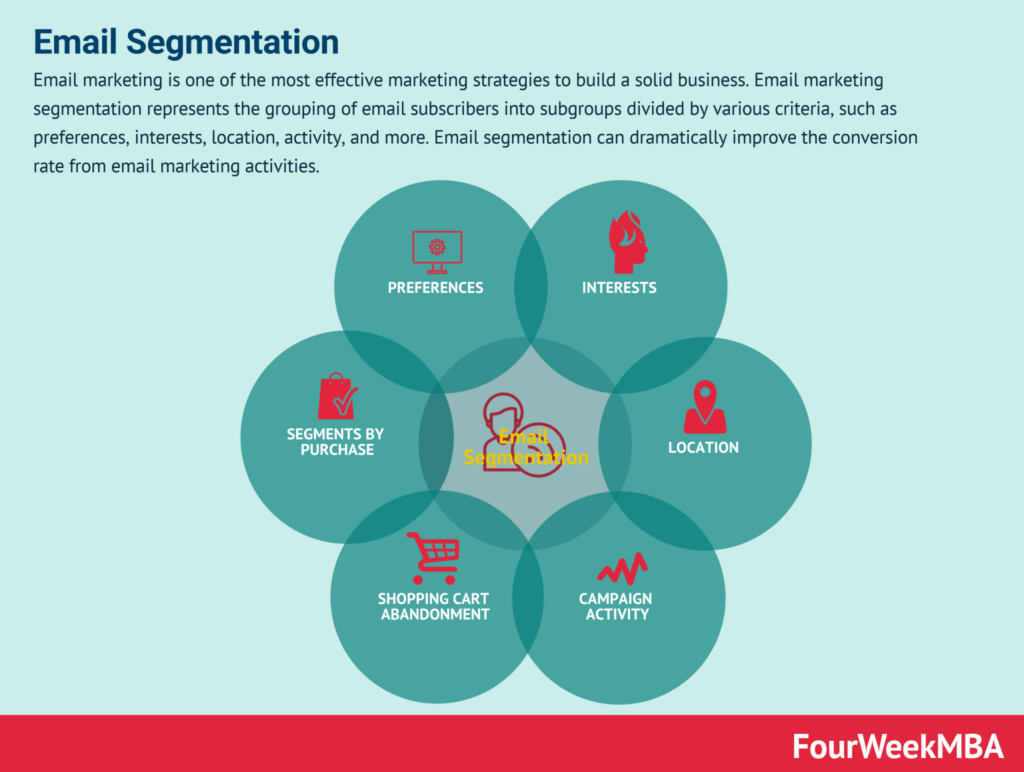
- The Welcome Series: Trigger this sequence the moment someone joins your list. Their interest is at its peak – capitalize on it by guiding them through your brand story while attention is freshest.
- Re-engagement Triggers: Catch “quiet” subscribers before they fully disengage. A well-timed re-engagement sequence gives you a genuine opportunity to win them back before you’re forced to remove them entirely.
- List Hygiene: Regularly scrubbing inactive addresses, clearing hard bounces, and eliminating fake emails keeps your metrics honest and delivery rates high. A smaller, engaged list consistently outperforms a bloated, neglected one.
High-Performance Design: Email Marketing Best Practices for Visual Impact
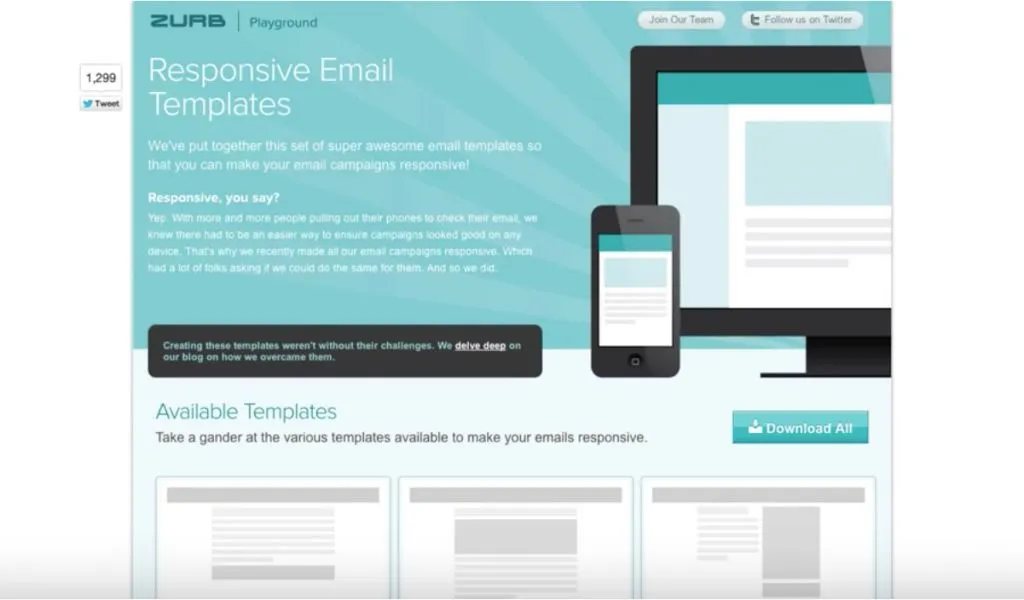
Your subscribers check email on their phone during a commute, on a laptop between meetings, and on a tablet before bed. Your templates must render perfectly across every device without exception. Universal responsiveness isn’t a nice-to-have – it is the baseline expectation of modern email marketing best practices.
Beyond responsiveness, visual hierarchy quietly does the work of guiding attention. Contrasting colors naturally draw the eye toward key buttons and headlines without the reader even realizing it’s happening. Dark mode is now a default setting for a significant portion of email clients, and following dark mode email rendering best practices ensures your brand assets hold up in that environment just as well as they do in the light.
Accessibility is where many email programs still fall short. Descriptive alt-text on every image isn’t a courtesy -it’s a necessity for visually impaired subscribers and for anyone whose email client blocks images by default. If your message only makes sense when images are visible, you’ve already lost a meaningful slice of your audience before they read a single word.
Message Psychology: Advanced Email Marketing Best Practices
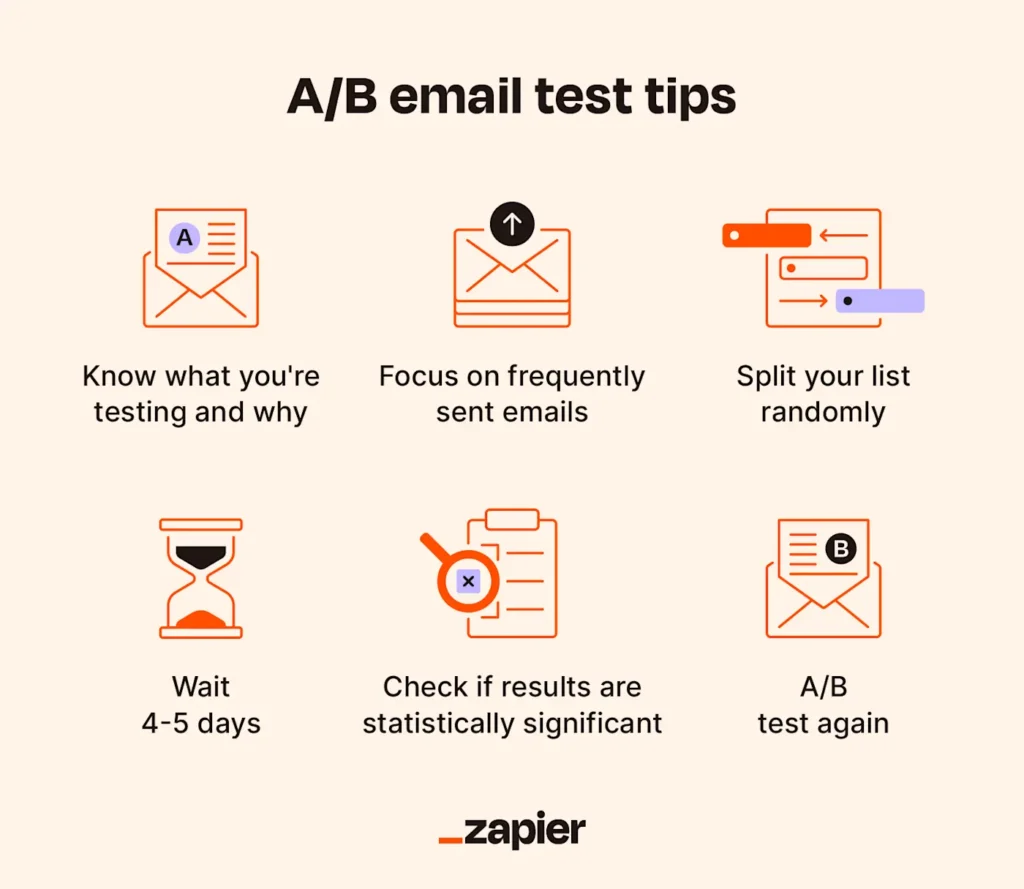
Your subject line has roughly two seconds and about fifty characters to earn an open. That window demands precision – a tight balance between urgency, curiosity, and clarity. A/B testing subject lines is one of the most foundational email marketing best practices because it replaces assumptions with actual data from your real audience.
Personalization has evolved well beyond inserting a first name at the top of an email. Dynamic content that shifts based on funnel position, purchase history, and AI-analyzed behavior treats subscribers as individuals rather than entries in a database. When someone receives a message that genuinely feels tailored to them, engagement follows naturally and conversion rates rise.
Interactive elements -hover effects, embedded image galleries, in-email forms- reduce friction by letting subscribers engage without ever leaving their inbox. These micro-conversions add up. And every single email should carry one clear, visually dominant Call to Action. One. The moment you introduce a second CTA, you split attention and dilute the impact of both.
Metrics and Optimization: Email Marketing Best Practices for Sustained Growth
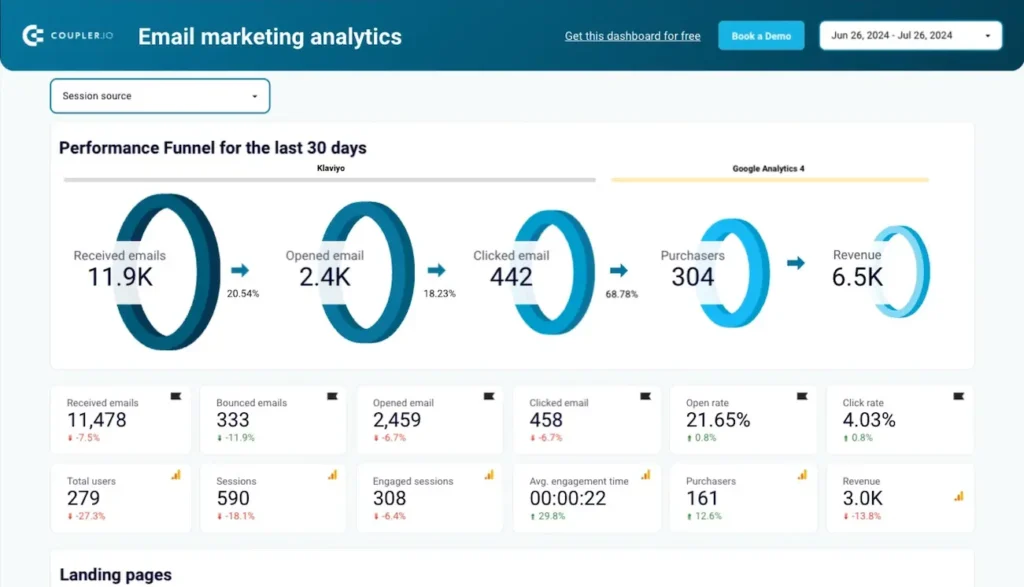
Tracking the right numbers is non-negotiable in any list of email marketing best practices. Open rates and click rates reveal engagement levels. Click-to-open rate (CTOR) tells you whether the people who opened actually found the content compelling. Bounce rates and delivery rates signal the health of your infrastructure. Revenue per email (RPE) and list growth rate reveal whether the entire program is actually serving the business.
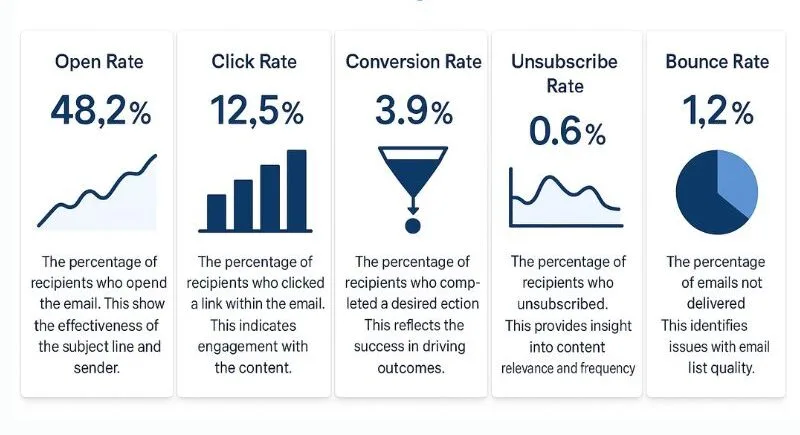
Test one variable at a time – a subject line, a send time, a button color – and let results accumulate before drawing conclusions. The ideal email is always a moving target, and systematic testing is the only way to keep chasing it intelligently.
Error Management: An Overlooked Email Marketing Best Practice
Every email marketer, regardless of experience, eventually sends something with a broken link, a wrong price, or an embarrassing typo. One of the most underrated email marketing best practices is having a pre-planned error response framework ready before mistakes happen.
Categorize errors by impact. A minor copy issue is very different from a campaign driving traffic to a broken page. For meaningful mistakes, a sincere, well-crafted “Oops” email – delivered with genuine accountability and a touch of personality – often generates higher engagement than the original message. Audiences respond warmly to brands that own their mistakes like humans, not corporations.
Staying Current: Email Marketing Best Practices Evolve Constantly
AI advancement, changing privacy regulations, and shifting consumer expectations mean that the email marketing best practices from even two years ago may already be partially outdated. The marketers who stay ahead are those who treat continuous learning as a professional obligation – reviewing platform updates, testing emerging tactics early, and regularly consulting deep-dive resources and industry guides.
The fundamentals, though, remain constant: build a list of people who genuinely want to hear from you, consistently send them content worth reading, and keep refining every element based on real performance data. Master these email marketing best practices, and you’ll have a channel that compounds in value year after year – immune to algorithm changes and built entirely on a relationship you own.